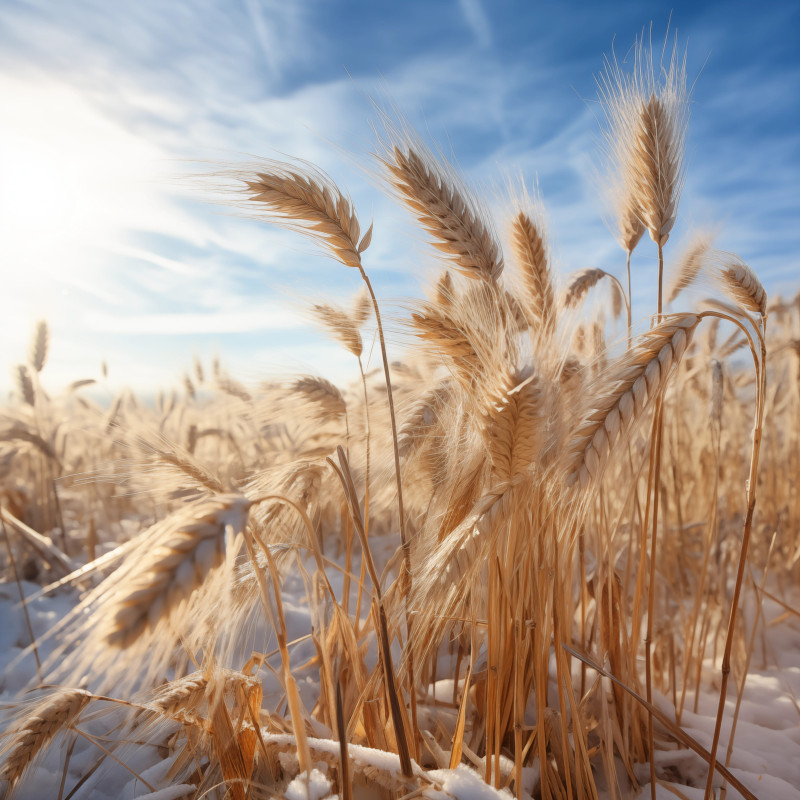
Sowing dates of winter wheat, how to sow, cultivation technology
In the world of agriculture, sowing winter wheat is an important step in determining a successful harvest. In this article, we will look at key aspects of sowing dates, sowing techniques, and help you avoid mistakes.
What do winter wheat sowing dates depend on?
Determination of optimal sowing dates for winter wheat is the key to ensuring high yields and grain quality. The right time for sowing significantly affects the formation of plant mass, root system development and plant resistance to unfavorable climatic conditions. Important aspects on which the timing depends:
Variety: Selecting the optimal winter wheat variety has a significant impact on the optimum sowing time. Different varieties have their own unique requirements for climate and length of growing season. Some varieties may be more suitable for early sowing, while others may prefer later dates to achieve optimal growing conditions.
Moisture availability: The soil moisture level at the time of sowing has a significant impact on successful seed germination and initial growth of winter wheat. Lack of moisture can delay germination, while excess moisture can lead to seed rot. The optimum time for sowing often coincides with periods of high soil moisture.
Predecessor: Previous crops grown on the same plot also influence the timing of winter wheat sowing. For example, if the preceding crop was perennial and had high soil requirements, this may require additional time for soil preparation before sowing wheat.
Sowing depth: The optimum sowing depth for winter wheat also depends on many factors, including soil type and climatic conditions. Deep sowing can promote better rooting and plant development, which is especially important under conditions of low winter temperatures. However, sowing too deep can also delay seed germination.
Regional climatic conditions: Climate is one of the key factors influencing the timing of winter wheat sowing. Regions with different climatic conditions may require different approaches to sowing timing. In temperate zones, it is recommended to sow at certain times in the fall when temperature and humidity provide the best conditions for initial plant growth.
Soil condition and soil structure: Soil condition, soil structure and fertility also have a significant influence on the optimal sowing dates for winter wheat. Fertile soils rich in nutrients contribute to a more favorable start of crop growth. Analyzing the soil before sowing helps to determine its physical and chemical properties and take measures to improve conditions for winter wheat growth.
Winter wheat sowing dates
Mid-September to early October is considered to be the optimal period for sowing winter wheat based on the climatic conditions of the region. These dates are influenced by the successful establishment of plants, their development and the accumulation of nutrients in the grain.
Sowing too early can lead to premature plant development when diseases and pests are still active, making wheat vulnerable to frost. On the other hand, sowing too late will not allow sufficient time for a full root system to develop before the onset of cold weather, which has a negative impact on future yields.
It is important that wheat in the fall period passed the sprouting stage, formed a root system, formed bushes and successfully accumulated the necessary substances. If each plant has 3-4 shoots by the onset of winter dormancy, this is a harbinger of good yields exceeding 5 tons/hectare.
The temperature range of 14-17°C provides optimal conditions for plant growth and development. This allows to achieve a balance between active root system formation, shoot development and accumulation of necessary nutrients in the grain before winter.
Preparing the soil for winter crops
The process of preparing the soil for winter crops is an important stage in agriculture, which requires careful attention and fulfillment of certain steps. It is important to consider the following aspects:
Soil properties:
Soil type (clay, sandy, chernozem, etc.).
Physico-chemical characteristics (texture, structure, moisture content).
Acidity level (pH).
Crop rotation by crop:
Consideration should be given to previous crops on the site.
Ensure diversity of crops grown to maintain soil fertility.
Percentage clogging:
Assessment of the degree of soil infestation with weeds and other undesirable plants.
Taking measures to eliminate weeds before sowing.
Features of previous crops:
Analyzing the results of previous crops.
Consideration of tillage technology in previous stages.
Optimization of the nutritional process:
Weed and pest control.
Disease Prevention.
Application of microfertilizers to improve fertility.
Moisture Retention:
In arid regions, emphasis on moisture conservation methods.
Utilization of appropriate irrigation techniques.
The basic algorithm of actions to prepare the field for sowing:
Residue cleanup:
Discing or incorporation of predecessor residues with a chopper.
Use of a stubble cultivator.
Plowing and leveling:
Carrying out plowing several weeks before sowing.
Plowing depth is 18-30 cm.
Leveling the surface for uniform sowing and simultaneous sprouting.
Pre-sowing treatment:
Cultivation of the soil with a compactor to create a seedbed.
Minimum working depth.
Agrochemical indicators of soil fertility:
The pH is at least 6.0.
Humus is at least 2%.
Mobile compounds of phosphorus and potassium not less than 150 mg per 1 kg of soil.
Thus, the correct approach to sowing winter wheat not only contributes to achieving high yields, but also serves as an important element of sustainable agricultural development, able to effectively cope with the challenges of modern agriculture.